Carbonated water (also known as soda water, sparkling water, fizzy water, water behind gas or (especially in the U.S.) as seltzer or seltzer water) is water containing dissolved carbon dioxide gas, either artificially injected below pressure or taking place due to natural geological processes. Carbonation causes little bubbles to form, giving the water an effervescent quality. Common forms include sparkling natural mineral water, club soda, and commercially-produced sparkling water.
Club soda and sparkling mineral water and some extra sparkling waters contain extra or dissolved minerals such as potassium bicarbonate, sodium bicarbonate, sodium citrate, or potassium sulfate. These occur naturally in some mineral waters but are also commonly extra artificially to manufactured waters to mimic a natural flavor profile. Various carbonated waters are sold in bottles and cans, like some in addition to produced on demand by public notice carbonation systems in bars and restaurants, or made at home using a carbon dioxide cartridge.
Carbonated water is a key ingredient in soft drinks: sweet beverages that typically consist of carbonated water, a sweetener and a flavoring, such as cola, root beer, or tawny soda. Plain carbonated water is often consumed as an substitute to soft drinks; some brands, such as La Croix, build unsweetened seltzer products that are lightly flavored by the auxiliary of aromatic ingredients such as indispensable oils. Carbonated water is often consumed unclean in the same way as fruit juice to create glowing punches or further cocktails, or infused later reveal by the accessory of cut-up fresh fruit or mint leaves.
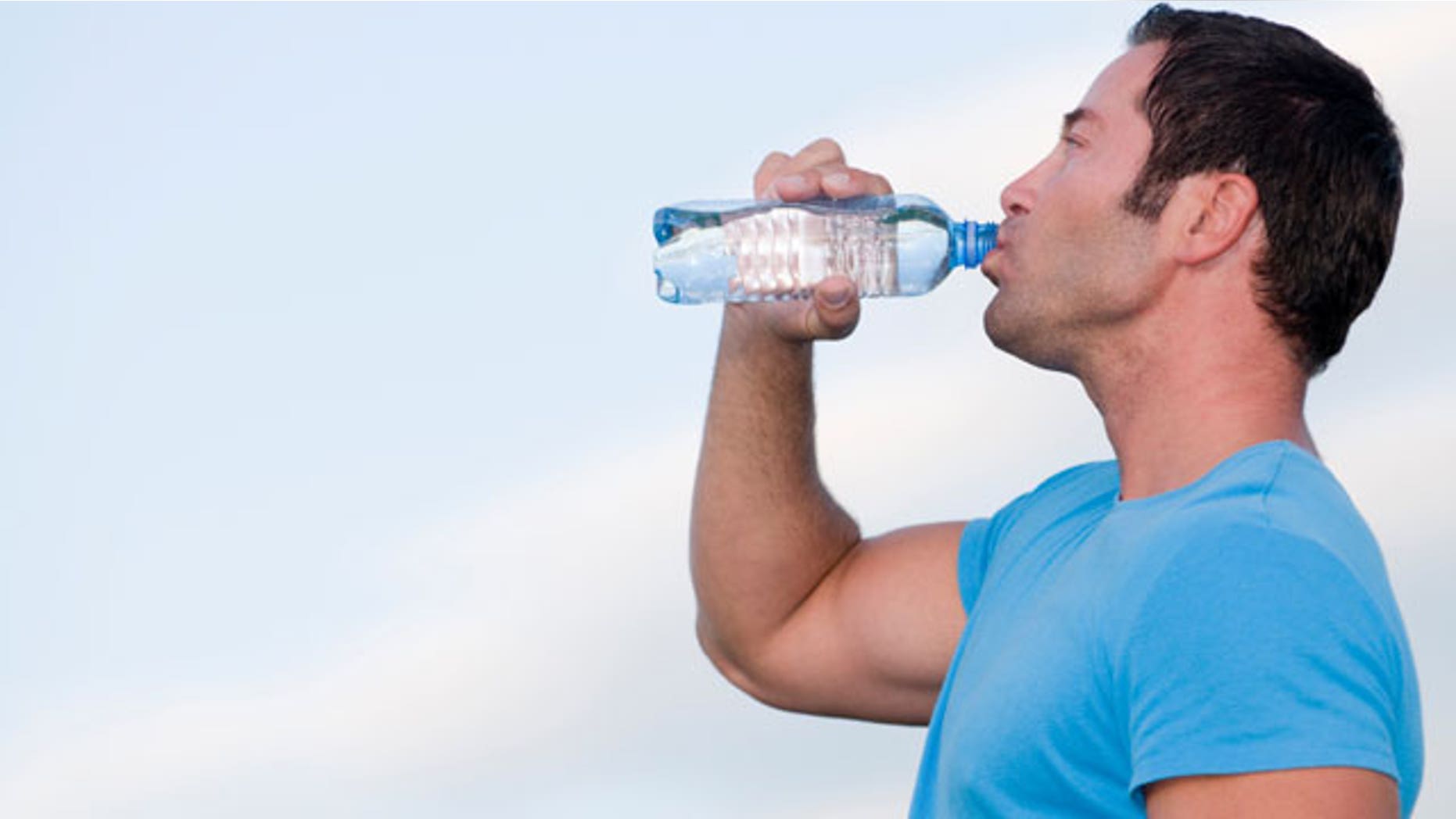
The Importance of Staying Hydrated - Say Fitness

A Manifesto for Water: the future of the sector Water UK

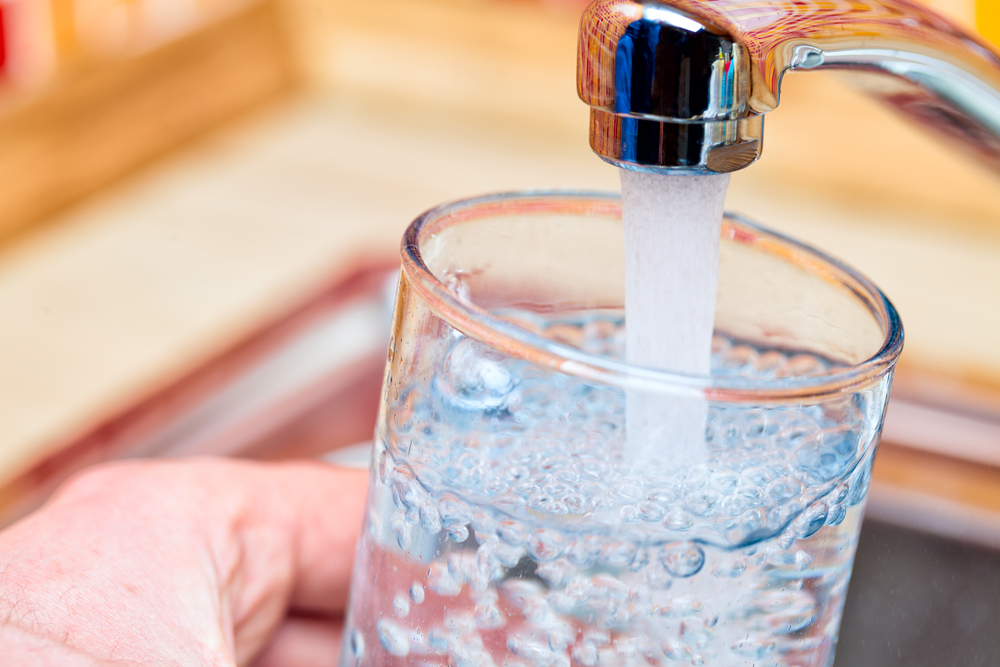
If You're Drinking Tap Water, You're Consuming Pollutants


No comments:
Post a Comment